Legal Abortions Rise 43.4% in Madhya Pradesh Over Four Years; Gwalior Records 4,062 Cases in 10 Months
Government health data show a rise in registered medical termination of pregnancy cases, reflecting greater awareness and access to authorised healthcare facilities.
 BNH NETWORK
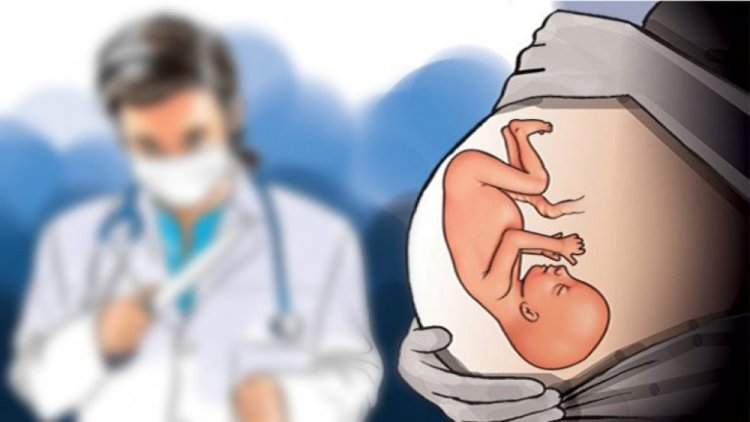
BHOPAL | Access to safe and legal abortion services in Madhya Pradesh appears to be expanding, with registered medical termination of pregnancy (MTP) cases increasing by approximately 43.4 per cent over four years, according to state-level Health Department data.
The state recorded 33,689 registered abortion cases in the financial year 2020-21. The figure rose to 48,326 in 2024-25, indicating a significant increase in the number of women accessing authorised medical services.
The trend is also reflected in Gwalior, where registered healthcare facilities recorded 4,062 cases between January and October this year. Of these, 2,018 were Dilatation and Curettage (D&C/DNC) procedures, while 2,044 were Medical Termination of Pregnancy (MTP) cases.
Health experts believe the increase may reflect greater awareness of reproductive healthcare, improved access to registered hospitals and a gradual shift away from unsafe abortion practices.
Gwalior Records More Than 4,000 Procedures
According to district health records, February and March witnessed the highest monthly numbers during the January-October period.
In February, healthcare facilities reported 212 DNC procedures and 224 MTP cases. In March, the corresponding figures stood at 226 and 223, respectively.
The figures highlight the substantial demand for reproductive healthcare services at registered medical facilities in the district.
However, the number of illegal or unreported abortions conducted outside authorised healthcare facilities remains unknown. Consequently, official figures do not represent the complete picture of abortion practices in the region.
Understanding MTP and DNC Procedures
Medical Termination of Pregnancy (MTP):
MTP is a legally recognised medical procedure for terminating a pregnancy under the provisions of the Medical Termination of Pregnancy Act. It is performed by qualified medical practitioners through prescribed medication or clinical procedures, depending on the pregnancy and the patient's medical condition.
The procedure may be required in cases involving unintended pregnancy, contraceptive failure, risks to a woman's physical or mental health, or serious foetal abnormalities, subject to applicable legal provisions.
Dilatation and Curettage (D&C/DNC):
Dilatation and Curettage is a medical procedure in which the cervix is dilated to allow the removal of tissue from the uterus.
It may be recommended in cases such as incomplete miscarriage or retained pregnancy tissue. The procedure can help manage complications, including excessive bleeding, and reduce the risk of infection when medically indicated.
Expert View: Safe Medical Care Can Reduce Maternal Health Risks
Senior gynaecologist Dr. Swetchha Mishra Dandotiya said the increase in registered MTP and DNC procedures should not automatically be interpreted as a rise in unsafe reproductive practices.
According to her, the growing numbers may indicate greater awareness among women about the importance of seeking medical assistance from authorised healthcare providers.

"Earlier, a lack of awareness often pushed women towards unsafe abortion methods, exposing them to serious complications such as infections and excessive bleeding. Access to safe treatment at registered healthcare facilities is helping protect women's lives," she explained.
Experts emphasise that timely medical intervention and access to qualified healthcare professionals are essential to reducing preventable complications and maternal mortality.
The increasing number of registered procedures in Madhya Pradesh and Gwalior points to changing healthcare-seeking behaviour. However, continued awareness campaigns, accessible reproductive health services and strict monitoring of unauthorised medical practices remain important to ensuring women's safety.